
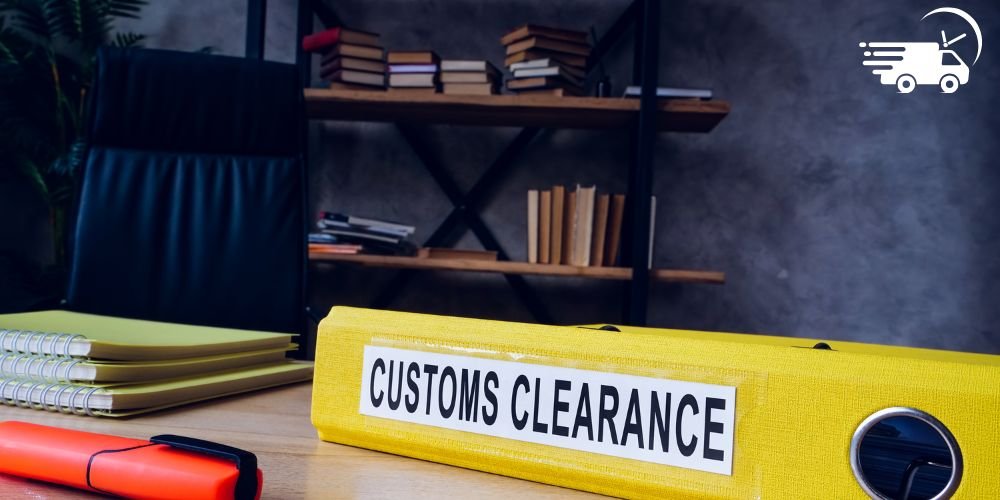
Customs clearance is a pivotal part of international trade, especially in a country as diverse and economically significant as India. From regulating the flow of goods to safeguarding national interests, the customs process plays a critical role in ensuring compliance with trade policies. Whether you’re an importer or exporter, understanding its significance is essential.
We manage the entire customs clearance process for both import and export shipments, ensuring that all documentation is in order, and compliance with Indian Customs regulations is met.
Our experts assist with preparing and filing the required documents for customs clearance, including the Bill of Entry, Commercial Invoice, Packing List, Certificate of Origin, and more.
We help in classifying goods according to the Indian Customs Tariff, ensuring accurate duty calculation, and advising on any applicable exemptions or concessions.
JMS Express facilitates the timely payment of customs duties and taxes, and we also assist in the filing for duty refunds or exemptions where applicable.
We offer expert guidance on customs bonds and duty drawback procedures, ensuring that exporters can reclaim customs duties paid on goods that are re-exported.
With ever-changing customs regulations, we keep your business updated on the latest compliance requirements, helping you avoid any legal or regulatory issues.
We assess and manage potential risks related to customs clearance, ensuring that your goods are securely processed through customs checkpoints.
Our team provides consultation for both first-time importers and experienced businesses, offering support in resolving any clearance issues that may arise.
Customs clearance in India is not just a procedural formality; it is the backbone of the country’s international trade ecosystem. By ensuring legal compliance, facilitating the seamless flow of goods, and enhancing transparency, customs clearance promotes economic growth and positions India as a competitive global trade partner. Efficient customs practices empower businesses to minimize delays, reduce costs, and avoid legal complications, while also contributing to the government’s revenue and national security.